Monday, July 27, 2020
FYI: An example of legwork leading to success
On Friday, July 24, 2020, former foster youth and allies came together for a Virtual Celebration of the One-Year Anniversary of the Foster Youth to Independence Initiative.
Former foster youth from Alabama, Alaska, Colorado, Florida, Iowa, Ohio, Oklahoma, Oregon and Virginia each shared their goals for the future and how this resource has helped them personally to move forward to build their futures.
With help from FYI, a 22-year old young man named Love from Alabama is working to attain a business degree and hopes to one day start a business of his own. Love lives out the very meaning of his name by caring for others. His main goal and priority is to help the youth in his community and he is also working to become a professional speaker. His FYI voucher is helping him to focus on those goals for the next 36 months while being housing secure.
Amanda Metivier Hernandez of Facing Foster Care in Alaska is an alumna of foster care herself. She shared how meaningful it was for her to witness the advocacy for this through social media, and then to receive a call saying that 25 former foster youth in her area could get housing support. In her words, “This has been the greatest thing to happen to us in Alaska. We definitely feel the impact... I just want to say thank you to everyone, but especially the alumni who have gone to DC, shared their experiences and made this happen.”
What gave Amanda the most joy was to be on the ground to witness young people actually moving directly from foster care to vouchers, and also from homelessness to housing stability. One of these young people was Rae Lynn, who shared that FYI vouchers have helped her to build stability. Life before, during and after foster care can be chaotic, and Rae Lynn’s voucher has made it possible for her to live on her own and maintain housing without disruption.
In Colorado, young people came together with their adult supporters to have a viewing party for this virtual celebration. Participants shared that FYI have been an amazing resource that has made so many things possible in their lives. This included being able to focus on their college journey, attend college full-time and dedicate time to grades in order to work towards their future careers.
In Florida, Pam Bress, the founder of Ready for Life Brevard, shared her gratitude for the Fostering Youth to Independence initiative, “It is the absolute game-changer for us in Florida and Brevard County. Props to everybody for doing what needs to be done for the youth aging out of foster care. After ten years of being an attorney, representing youth in transition and seeing the need, this was the reason why I left Legal Aid and started Ready for Life Brevard.”
So far, Florida has been able to house twelve young people, and three of them shared their gratitude and experiences on Friday. Lajoya said that FYI has been a blessing in her life, and has helped her in so many ways. She had previously spent a year paying rent to sleep on someone’s couch, “not having a place to just settle down and grow and be a woman and bloom.”
Destiny shared what it was like to transition from foster care at age 18, and to feel pressured to financially support her biological mother. FYI gave Destiny a chance to focus on building a future for herself -- it allowed her to focus on her own destiny. She is now living in her first apartment. Waking up in her own place makes her grateful every day, and she is eager to help others and to be a spokeswoman for FYI in the future.
Desiree participated in the call from work, while wearing a mask that said “No Legwork, No Success.” Desiree exemplified that message by working during the call, with her manager’s permission. In the midst of her efforts, Desiree always took time to cheer on the goals and accomplishments of other youth.
Desiree shared what she desires for her future, “My goals are to eventually own my own house, and to create multiple sources of income for myself. To make sure to prepare; to put myself in a situation where I never need to worry about where I’m going to sleep. I’ve kind of dealt with that my whole life.”
Desiree wrote a personal thank you to HUD Secretary Ben Carson and his staff (including Chris Patterson, Danielle Bastarache and so many others) and to everyone who made this possible for her and others to have this opportunity:
“Thanks for making this opportunity possible for people who don’t have much opportunity. People who don’t feel seen in the world. I can only speak for myself so thank you for making me feel seen and heard in a world that makes me feel less than.
“Thank you for empathizing and for reaching for more - to give other people a chance to reach for more. A lot of people grow up like us, in situations that makes them cold, but instead their hearts grew fonder for the idea of everyone getting a chance to excel. So for that, I thank you. (FYI) teaches me not to give up on myself... Resilience has been my biggest strength, and now I live in gratitude.”
Isabella from Ohio also wrote up her goals ahead of time. She wants to become a therapist, a future homeowner and to become a wife and a mother. She plans to pursue a PhD, while also exploring her creative talents as a singer, songwriter and future author.
FYI is making it possible for Isabella to build a savings account. She deeply appreciates the economic stability that FYI makes possible. Isabella also wanted to share how FYI has the potential to help former foster youth throughout the country avoid unnecessary debt. She expressed heartfelt appreciation for the independent living preparation that she had received.
Likewise, Shadjah from Virginia expressed her gratitude that FYI has helped her with stability and saving money. Her caseworker Vickie shared that this incredible resource is helping young people focus on work, education and building positive relationships and community networks.
It isn’t easy to be the parent you never had. Lindsey from Iowa aged out when she turned 18. She is a proud mother who plans to enter police academy in January 2021. FYI is making it possible for her to provide for her children, and focus on buying diapers, wipes and other necessities.
Holly of Oklahoma aged out of foster care at 18 years old, and experienced homelessness. “Now that I have a place to sleep at night, it’s very very helpful.” FYI is providing a platform for Holly to create a stable home for her children, maintain employment and seek to attain her GED and pursue college. Trying to juggle all of those goals without having a place to sleep at night was incredibly difficult.
There is no blueprint for building a family after foster care, and FYI is helping many young people successfully navigate this unfamiliar territory. More than one participant shared that having this housing resource makes it possible for them to provide for and maintain custody of their children.
Dakota from Oregon had experienced three years of homelessness after aging out of of foster care. This is lost time that could have been avoided if he had been able to receive a housing voucher when he first left care. He is incredibly grateful that this resource exists now -- it is making it possible for him maintain full-time employment. In his words, “What does this resource mean to me? It means stability and a brighter future.”
Joelle, also from Oregon, shared how much it meant to no longer have to live out of a short-stay hotel. The sense of permanency that she is experiencing by not having to live in such impermanent status is helping her to create the foundation of stability that she has always craved.
Every young person on the call was clearly dedicated to maximizing this opportunity by making the very most out of it, and then paying it forward to help others.
Other amazing speakers during the call included Chris Patterson and Ryan Jones from HUD, HHS Assistant Secretary Lynn Johnson, Jamole Callahan from ACTION Ohio, Ruth Anne White from the National Center for Housing and Child Welfare, and foster care alumna Christina Meredith who is heading up efforts to move FYI forward in Texas.
HUD Secretary Ben Carson celebrates the one-year anniversary of FYI
If Ohio foster care youth, alumni and allies had never traveled to DC from 2013-2019, these vouchers wouldn’t exist - and that is truly humbling.
Saturday, July 25, 2020
2020 FYI Virtual Celebration
![]() |
| Click to enlarge |
#FosterYouthtoIndependenceMonth
#FYIworks
Young people throughout the nation who are participating in the Foster Youth to Independence initiative expressed their thanks to HUD Secretary Ben Carson and his staff on Friday, July 24, 2020.
Former foster youth from Alabama, Alaska, Colorado, Florida, Iowa, Ohio, Oklahoma, Oregon and Virginia shared their goals for the future and how this resource has helped them personally to move forward to build their futures.
Additional speakers included HUD FYI Lead Chris Patterson, HHS Assistant Secretary Lynn Johnson and foster care alumna Christina Meredith who is heading up efforts to move FYI forward in Texas.
Tuesday, July 21, 2020
Leaning into the wind
This has been has been a whirlwind of a morning, filled with challenges, opportunities, and solutions-based brainstorming with many others behind the scenes.
It has been a day that reminds me that former foster youth can so easily become housing-insecure. Especially in the midst of an international pandemic.
- Their campus might go virtual.
- Their job might be furloughed.
- Their unemployment might be denied or delayed.
- Their health might be impacted.
- They might experience isolation and discouragement.
- They might fall through the gaps that exist in their local support network.
- They might -- heaven forbid -- make a mistake, and then experience magnified consequences due to lack of family support.
Which leads me to then remember how deeply grateful I am to HUD and for FYI.
In the midst of this complicated year --- during which housing resources are needed more than ever ---it is downright beautiful that FYI continues to move forward and change lives.
#LetsLeanIntoTheWind
#LetsContinuetoCraftSolutions
#LetsNeverForgetToSayThankYou
Wednesday, July 15, 2020
#FosterYouthtoIndependenceMonth (Part 2)
It makes my heart incredibly happy to know that my hometown of Lexington has received Foster Youth to Independence vouchers to support the success of former foster youth who are at risk of homelessness, and that 12 former foster youth have been housed so far...
This is the city where I was born, where I experienced homelessness after foster care, and where I ultimately attained my Bachelors and Masters degrees before moving to Ohio.
There are so many layers of what this means to me, including:
- that youth voice matters
- that all of the staff at HUD are amazing, including the always on the move and making a difference Chris Patterson
- that Ruth Anne White and the National Center for Housing and Child Welfare never tire
- that my younger brothers and sisters in Lexington KY who are transitioning from foster care to adulthood won't have to experience homelessness and that their journey will be supported
Thursday, July 09, 2020
#FosterYouthtoIndependenceMonth
I remain deeply impressed and ever grateful for the dedication of HUD Secretary Ben Carson and his staff when it comes to seeking to improve housing outcomes for former foster youth.
On July 2, HUD staff issued a notice extending a waiver through the end of the year that will allow Public Housing Authorities to support young people who might otherwise be homeless.
Here are three things this notice allows Public Housing Authorities to do, in order to protect former foster youth who are participating in FUP and FYI:
On July 2, HUD staff issued a notice extending a waiver through the end of the year that will allow Public Housing Authorities to support young people who might otherwise be homeless.
Here are three things this notice allows Public Housing Authorities to do, in order to protect former foster youth who are participating in FUP and FYI:
1. The ability to extend the age that a youth can be referred to up to the 26th birthday to December 31, 2020. This applies to both FUP and FYI.
2. The ability to avoid terminating assistance for youth who reach the 36 month time limit of between now and December 31, 2020.
3. The option to extend the referral period before a youth ages out of foster care from 90 to 120 days.
The thoughtfulness and intentionality of HUD leadership is exemplified in this statement, “Due to the COVID-19 pandemic, it may be difficult for youth to find units that are available for lease within the 90- day timeframe, increasing the risk that such youth may experience homelessness. To prevent such an outcome, HUD is waiving the statutory limitation and establishing an alternative requirement.”
Wednesday, July 01, 2020
Sunday, June 21, 2020
Cloe Cooper shares about FYI on CDF Ohio webinar
Cloe Cooper did an amazing job of explaining how FYI works during a webinar for the Ohio Children's Defense Fund.
Thursday, June 11, 2020
Ohio foster care youth and alumni featured as Humans of HUD
Ohio foster care youth and alumni are honored to be featured as Humans of HUD:
Each of the individuals listed below is one of 60 former foster youth representing ACTION Ohio, who traveled to DC between 2013 and 2019 to partner with the National Center for Housing and Child Welfare (NCHCW) in pursuing national solutions for young people aging out of the foster care system and at risk of homelessness. In March 2019, ACTION Ohio and NCHCW met directly with Secretary Carson to present a proposal to house former foster youth. Within four months of their meeting, Secretary Carson launched the Foster to Youth Independence initiative, providing housing vouchers to public housing authorities to prevent and end homelessness among young adults who recently left the foster care system without a home. Since July 2019, HUD has awarded $5.4 million and 654 vouchers nationwide to assist young adults.
![[Natasha from Ohio] [Natasha from Ohio]](https://www.hud.gov/sites/dfiles/Main/images/hoh_Natasha.jpg)
Natasha
Ohio
Ohio
"When I traveled to Washington, D.C. to meet with Secretary Carson, I wanted to help lay a foundation to improve housing outcomes for my brothers and sisters. I wanted to help map out housing solutions for young people aging out of foster care. My biggest fear growing up was becoming homeless. Knowing I would have an opportunity to advocate for individuals that were just like me, made this my lifelong mission. My advice to youth leaving the foster care system - be your own best advocate. Only you can make the choice to know your value, share your voice, be a voice for yourself and then become a voice for others."
![[Michael from Ohio] [Michael from Ohio]](https://www.hud.gov/sites/dfiles/Main/images/hoh_MichaelO.jpg)
Michael
Ohio
Ohio
"I had traveled with ACTION Ohio several times over the years to propose housing solutions with my fellow brothers and sisters. The meeting with Secretary Ben Carson made me feel like our solutions for the first time were being recognized and that validated our efforts. As someone who has struggled with housing insecurity, it makes me hopeful to see housing authorities across America working with child welfare agencies creating FYI [Foster Youth to Independence] programs to serve other foster youth. I know housing resources are scarce and what makes me most proud about FYI is that it does not disenfranchise other vulnerable populations. No one gets bumped down on the waitlist for housing because of our efforts. I felt inspired to become involved because of the support and encouragement I experience from my chosen family. If not for the support of my chosen family and countless people along the way, I would never have made it. I wanted to continue to pay it forward to others so that they do not have to struggle in the same ways I did. My advice to youth leaving the foster care system - surround yourselves with people who believe in your greatness. No one succeeds alone, it takes a village to become stable. Find folks who encourage you to pursue your goals and can be there to help you when you need it."
![[Kimberly from Ohio] [Kimberly from Ohio]](https://www.hud.gov/sites/dfiles/Main/images/hoh_KimberlyM.jpg)
Kimberly
Ohio
Ohio
"My time in DC meeting with Secretary Carson meant so much to me because we were doing more than just calling for change. We were helping to design a way to make that happen. As a former foster youth who has experienced homelessness at various stages in my life, this issue is incredibly personal for me. I'm deeply proud of the countless number of foster youths, who have demonstrated tremendous courage by using their voices to be the driving force that brought about this program. My advice to youth leaving the foster care system - you aren't defined by your past experiences. You are worthy of love, respect, and taking up space on this earth."
![[Marcus from Ohio] [Marcus from Ohio]](https://www.hud.gov/sites/dfiles/Main/images/hoh_Marcus.jpg)
Marcus
Ohio
Ohio
"When I traveled to Washington, DC to discuss and propose housing solutions with Secretary Carson and legislators, it was one of the most meaningful things that I had ever done. It was an amazing opportunity to speak directly with the decision makers and create thoughtful change that would positively affect foster youth. I was inspired to help after visiting a statewide meeting. It was my first exposure to a platform that truly gave me a step to stand on and a microphone for my voice to be heard. Being a teenager in foster care your life is dictated by policy. These organizations [ACTION Ohio] gave me the opportunity to address flawed policies on a local and statewide level. This is where I was able to begin advocating for housing solutions and many other issues that foster youth experience during foster care and after emancipation. My advice for someone leaving foster care is - to be bold in everything you do. Be the best version of yourself and never accept the unacceptable."
![[Lisa from Ohio] [Lisa from Ohio]](https://www.hud.gov/sites/dfiles/Main/images/hoh_LisaD.jpg)
Lisa
Ohio
Ohio
"When I aged out of foster care in 1989, there was no plan for my future. I started college at age 16 and was homeless within a year. At age 18, I moved into a dorm, and having housing helped me move forward and earn a Master's degree. Upon hearing from foster youth that this struggle was still happening, I wanted to empower them to share their insights to make a change. I am honored to have played a role in mobilizing my brothers and sisters of the system, and deeply proud of each of them. I am grateful with all my heart that HUD listens to those with lived experience, and in awe of how quickly Secretary Ben Carson moved forward to make FYI [Foster Youth to Independence] vouchers a national reality. What inspires me most about our group is the focus on coming up with proactive solutions. Statistics tell a story, and we can improve outcomes by addressing the factors that perpetuate them. Each of my brothers and sisters of the foster care system throughout the country have the ability to generate positive change. My advice to youth leaving the foster care system is to seek out trustworthy people and let them know when you need help. There are amazing allies out there and partnering with them can only improve our effectiveness."
Tuesday, June 09, 2020
2020 HUD Regional Roundtable and Plans for Moving FYI Forward
Link to video that shares HUD's plans for moving FYI forward.
ACTION Ohio and the National Center for Housing and Child Welfare were honored to work with Rosa Ailabouni, Senior Advisor to the Regional Administrator, HUD Region V to help plan a virtual roundtable on May 28, 2020.
Youth Speaker Bios:
- Former foster youth Ciara Richey received an FUP voucher at age 21, which made it possible for her to continue to pursue higher education. She is currently working two jobs and attending Ohio University Zanesville. She is close to receiving a Bachelor's degree in Criminal Justice, after which she plans to enter the Columbus Police Academy in order to become a private detective.
- Former foster youth Desaray Lavery works full-time at Arby's. She will be using an FYI voucher to move into her new apartment next month. The new apartment is close to her job, and will allow her to have a dog and work as a groomer.
Additional Speakers During the Roundtable:
- Joseph Galvan, Regional Administrator, US Dept of Housing and Urban Development, Region V
- Elizabeth Darling, Commissioner, Administration on Children, Youth and Families (ACYF) U.S. Department of Health and Human Services
- Kara Wente, Assistant Director of Health and Human Services at the Ohio Department of Job and Family Services
- Chris Patterson, Regional Administrator, US Dept of Housing and Urban Development, Region IX
- Joaquin Cintron Vega, President and CEO, Lucas Metropolitan Housing Authority
- Sonja Nelson, Assistant Vice President of Resident Initiatives, Columbus Metropolitan Housing Authority
- Cassie Snyder, Associate Director of Youth Transition Services, Franklin County Children Services
- Brianna Moore, Social Service Worker, Portage County Job and Family Services
- Travena Kaminski, Section 8 Assistant Manager, Portage County Housing Authority
Tuesday, June 02, 2020
Housing After Foster Care ~ CMHA Video
ACTION Ohio was honored to work with CMHA on this video project, and deeply appreciates their work on Scholar House 3.
Friday, May 15, 2020
Wednesday, May 06, 2020
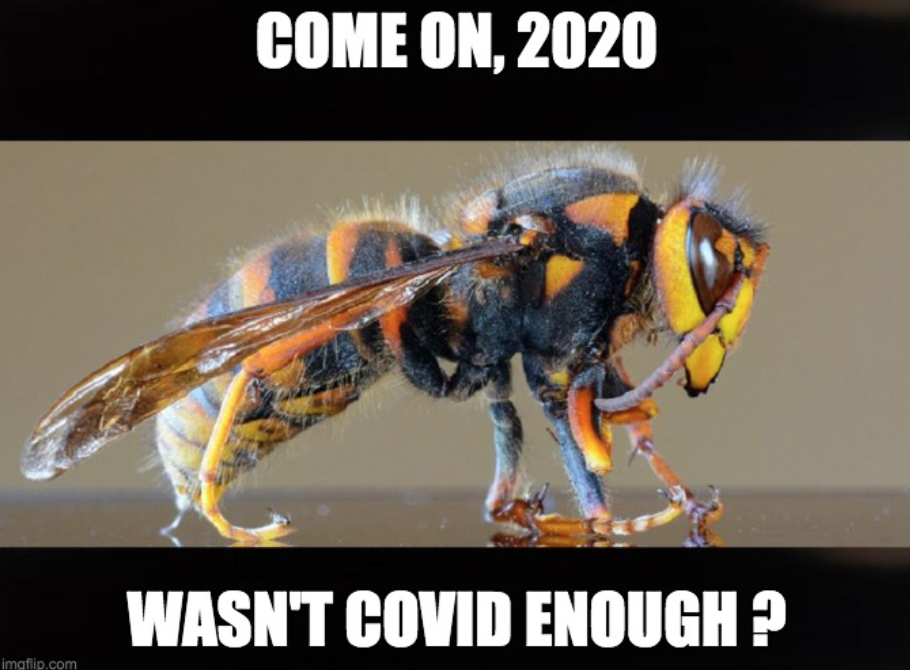
2020 better check itself
Neither wind nor rain nor COVID nor "murder hornets" shall keep Ohio foster care youth, alumni and allies from advocating.
Saturday, May 02, 2020
Tuesday, April 28, 2020
'A sigh of relief:' Advocates applaud Ohio's governor for providing safety net for those aging out of foster care
Youth advocates are breathing a sigh of relief after Ohio's governor announced the state will cover the costs of those aging out of the foster care system.
Governor DeWine thanked OHIO Youth Advisory Board for coming up with this plan.
On April 25, 2020, 10TV news interviewed Talia Holmes, president of the FCCS Youth Advisory Board. She knows firsthand what it's like to be in foster care.
"You're always having to worry about making sure you're presenting yourself in the best way, so the person you're with wants to keep you," Holmes said. "[You want to make sure] you're not put into another situation that may not be as good as the one you may be leaving from."
Holmes said this is a step to ensure Ohio's most vulnerable are set up for success. "It's providing them that extra leverage to be able to make steps securely so that they are able to be successful in society," she said.
Saturday, April 25, 2020
Thank you, Governor DeWine
Quotes from Governor DeWine's Press Conference on April 24, 2020:
Gov. Mike DeWine announced the state will continue to cover the costs for youth in foster care who are turning 18 during the COVID-19 pandemic. According to DeWine, more than 200 people will “age out” of Ohio’s foster care system in the next three months.
“For many of these young people, their future looks uncertain because of COVID-19, whether their plan was to start a career or pursue higher education. This program will provide them with a safety net during these difficult times,” DeWine said.
This option is also available for those in the Ohio Department of Job and Family Services’ Bridges program, which is foster care to age 21. DeWine said those in Bridges can stay in the program to help them maintain their housing, jobs, and education.
“These changes will ensure that no child leaves care during this pandemic without a safe place to call home. I encourage county children services agencies, juvenile courts, and the foster youth themselves to take advantage of this new opportunity,” he said.
During his daily briefing, DeWine thanked Ohio’s Youth Advisory Board for coming up with this plan.
Message to Ohio Public Children Services Directors on April 24, 2020:
Dear Directors,
Here is some additional information regarding the announcement you heard from Governor DeWine today at the press conference regarding children aging out of foster care and Bridges.
Foster Care: To ensure adequate transition planning and delivery of needed services to foster children, increased flexibility has been instituted within the Multi-System Youth allocation. These funds can now be used to support the cost of extended placement and supports for any youth aging out from any placement setting through June 30, 2020. These funds can be used to pay for supports that were expended as of the March 22, 2020 Stay at Home order.
Please refer to Procedure Letter 349: Foster Youth Not Aging Out for additional information about utilizing these funds to support these youth.
Bridges: In addition, please note that Bridges funding has also been extended to support young adults who turned or will turn 21 through June 30, 2020. Again, these funds can be used to pay for supports that were expended as of the March 22, 2020 Stay at Home order.
Thursday, April 16, 2020
Tuesday, April 14, 2020
Number of Foster Youth Emancipating Per County in 2019
Please note that:
- This map doesn’t capture the number of young adults who are currently in extended foster care in Ohio (Bridges program)
- Nor does it capture every youth who was in foster care in Ohio at ages 16/older
- There is a cumulative effect when we think about the cohort of former foster youth between ages 18+
- Foster care youth move from one county to another, and even out-of-state, after foster care
- Every former foster youth, in every county and every state, matters
National Reach As High As You Can Day
Learned from a coworker that today is National "Reach As High As You Can" Day.
Given everything that is going on in our state, our nation and the world, this is very timely.
#LetsKeepReachingHigher
Monday, April 13, 2020
The challenge of trying to do the Senior Picture Challenge
Sending apologies to those who tagged me about this - but I can’t post a photo for the #SeniorPictureChallenge, because I never had a senior year in high school.
I started college at age 16 #StraightOutOfFosterCare, ended up homeless within a year, bounced back and made it through college and grad school. All is well today - it was just bumpy in the beginning and took a while to get there.
Here’s glimpse of 15 year old Lisa as a junior in high school getting ready to turn 16 in Dec., with no idea what she’s headed for, but wanting to move forward regardless.
Sending hugs and love to one and all - especially my brothers and sisters of the foster care system. One thing is true: We can and WILL move mountains together. #LetsKeepPushingForward
I started college at age 16 #StraightOutOfFosterCare, ended up homeless within a year, bounced back and made it through college and grad school. All is well today - it was just bumpy in the beginning and took a while to get there.
Here’s glimpse of 15 year old Lisa as a junior in high school getting ready to turn 16 in Dec., with no idea what she’s headed for, but wanting to move forward regardless.
Sending hugs and love to one and all - especially my brothers and sisters of the foster care system. One thing is true: We can and WILL move mountains together. #LetsKeepPushingForward
Sunday, April 12, 2020
Saturday, April 11, 2020
Thursday, April 09, 2020
Tuesday, April 07, 2020
Saturday, April 04, 2020
Let's keep moving forward...
The end goal is for housing resources to support foster youth to be available in every state, and every city/county, in our nation.
Friday, March 20, 2020
Appreciation for Heather Zenone
We Ohio folks had the honor and privilege of meeting with foster care alumna Heather Zenone in February. Heather is a powerful DC advocate with an eye toward improving outcomes for our population, especially in light of the current pandemic. She has been sharing our policy recommendations with the federal Ways and Means committee.
Love this recommendation from CDF
Love this recent recommendation from Children's Defense Fund national and the Child Welfare and Mental Health Coalition:
- "Boost Title IV-E Chafee funds to $500 million. These additional funds could be used above and beyond what states have already locked into place for their ongoing independent living funds and services. Allow states flexibility in expanding Chafee funds for services and supports for youth including financial assistance, and employment assistance."
National strategy proposals to strengthen the child welfare safety net in response to COVID-19
Policy recommendations are being discussed behind the scenes to support young people in and from foster care, by advocates throughout the nation (including Youth Villages and Children’s Defense Fund). Some of my current favorites are listed below.
They include recommendations that we have made. We are continuing to work on strategy proposals, in partnership with the ever-amazing Ruth Anne White of the National Center for Housing and Child Welfare.
Chafee
- Waiving the 30% Chafee housing cap
- Waiving the work and education requirements for Chafee
- Doubling Chafee funds
- Having every state extend Chafee services until age 23
Title IV-E -Waiving the Title IV-E work and education requirement for older youth in extended care beyond age 18, and the work and education requirements for Chafee
- Having every state extend foster care to age 21
Congregate Care:
- “Addressing concerns around congregate care by promoting reductions of unnecessary group care placements to reduce viral transmission, providing access to sanitation services, supporting access to educational resources on appropriate social distancing measures, and providing access to technology and supports for virtual learning” (from the Child Welfare and Mental Health Coalition)
ACTION Ohio remains concerned about lack of cell phone access for foster care youth, especially those who are in group home/residential placements, and how this might be further isolating them at this time.
Monday, March 09, 2020
Many thanks, Ohio CASA
As with any foster youth, Lisa Dickson didn’t choose the family she was born into. Instead, she was born into a family that included an abusive father – and a mother who had experienced abuse from her biological family, and eventually lost her life in a battle with cancer. During her time in foster care, Lisa was focused on building her immediate future. From the moment that Lisa transitioned from foster care to adulthood, ahead of time, at age 16, she cared both about building her future and improving outcomes for others.
Since 2006, Lisa has had the honor of working 70 hours a week. She volunteers 30 hours a week in her volunteer roles as co-facilitator of the OHIO Youth Advisory Board (the statewide voice of Ohio foster care youth ages 14-24) and Communications Chair of ACTION Ohio (the statewide voice of foster care alumni). She also works 40 hours a week in her paid job as a Children’s Librarian. Her volunteer roles are focused on informing and empowering current and former foster youth about policies and procedures, and inviting each of them to share their insights. Foster care youth, young adults and older alumni of the system are invited to advocate for what is needed when it comes to policies and resources – with the ultimate goal of helping Ohio foster care youth and alumni have the best chance at healing, growing, and being successful.
Empowering the voices of current and former foster youth within the state of Ohio has led to a ripple effect of local, statewide and national change — including a federal bill, the Fostering Stable Housing Opportunities Act, which has recently passed unanimously in the US House of Representatives and is currently being championed in the US Senate, and HUD Secretary Ben Carson creating FYI on-demand housing vouchers for foster youth.
This year, International Women’s Day is celebrating women who work every day for an equal world. Ms. Dickson’s work goes beyond gender equality; it’s truly equality for all people – adults and youth who deserve families and love and equal access to life’s resources. Her own experiences have inspired her unwavering diligence and fierce advocacy, and that’s why we are honoring her for International Women’s Day.
Wednesday, March 04, 2020
Sunday, March 01, 2020
Don't forget to #FosterMyFUTURE
One of the 2020 priorities of Ohio foster care youth and alumni is to make sure that we and our brothers and sisters of the system are:
- Adequately prepared to build successful futures
- Involved in decision-making that effects our lives
- Informed about existing resources to us succeed
- Empowered to help make sure that federal funding streams, such as Chafee, are fully -- and effectively -- utilized to improve youth outcomes.
Foster care is more than just a placement -- it's an opportunity to 'foster' youth futures and 'foster' youth success.
Wednesday, February 26, 2020
FYI Combats Homelessness Among Former Foster Youth
HUD Program Combats Homelessness Among Former Foster Youth
Irene Luo and Jan Jekielek, The Epoch Times, February 25, 2020.
Every year, over 20,000 foster youth age out of the foster care system. Around 25 percent of them become homeless within four years of exiting foster care, according to the National Center for Housing and Child Welfare (NCHCW). Others, although not homeless, might nonetheless be living day-to-day in a motel, vehicle, or with friends or relatives.
The Foster Youth to Independence (FYI) initiative, launched last year, seeks to end this pipeline from foster care to homelessness.
A group of current and former foster care youth with ACTION Ohio spent six years researching the problem and consulting housing experts to find a solution. In March 2019, they pitched their proposal to Secretary Ben Carson of the U.S. Department of Housing and Urban Development.
Just four months later, the FYI program was live.
“You can imagine what that’s like at the tender point in your life, not having the security of a place to call home,” Sec. Ben Carson said in an interview with The Epoch Times for the “American Thought Leaders” program. Such foster youth “can be tremendous contributors to our society, and we need to make sure that we give them a solid foundation from which to launch.”
Since the start of the program in late July, HUD has awarded over $2.4 million in funding for FYI, which helps former foster youth cover the cost of their rent for up to three years after they stop being supported by the foster care system. Each public housing authority can award up to 25 vouchers per year.
So far, the funding has provided housing subsidies for 497 former foster care youth across the country. The latest round of funding was announced on Feb. 6, with $258,606 going to public housing authorities in seven states. The FYI program is available to foster youth between 18 and 23 years old who are homeless or at risk of becoming homeless after aging out of the system. In addition to housing subsidies, it also provides other forms of guidance and job support to help them become self-sufficient. ‘
An Anxious Time’
Aging out is “an anxious time” said former foster youth Adaora Onuora. “There’s so many things going through your head.”
When you’re in the system, it’s easy to take housing for granted, Onuora said. But by the last year, “the social workers are kind of banging it into your head,” she said. “What are you going to do? Where can you go? What resources do you have? What family do you have?”
The FYI program is an extension of the Family Unification Program (FUP), which also helps former foster youth avoid homelessness. But FUP is only available to 280 of the approximately 3,400 total public housing authorities in America.
“It wasn’t anywhere near sufficient enough to deal with this problem,” said Sec. Carson.
After jumping through bureaucratic hoops, Onuora was fortunate to receive a housing voucher with FUP just a few weeks before her 21st birthday.
Onuora has been a vocal advocate of the FYI initiative, with the hope that the housing vouchers she was fortunate to gain access to could be universalized across America for all foster youth aging out of the system.
Jamole Callahan, a former foster youth and one of the founders of ACTION Ohio, told The Epoch Times: “Out of all the years we’ve been meeting with HUD, Secretary Carson was the first sitting secretary we physically met with.”
“He was the first one that sat down and had an honest conversation with us,” Callahan said. “As one of my sisters in care said it, we are cutting off the spigot of aging youth out into homelessness with this program,” Callahan said.
According to Ruth Anne White, Executive Director of the NCHCW and one of the main advocates for the FYI program, Sec. Carson “heard their proposal, and essentially said, this is fundable. It’s within my authority. It doesn’t require action from Congress. Let’s move.”
“I’ve never seen anything move at that speed absent something like a natural disaster,” said White, who has worked on affordable housing policy for two decades in DC.
When the program was originally designed, it included a requirement that participants work or attend school, but this was later removed due to criticism from poverty advocates. But the program is nonetheless built with the idea of being a stepping stone to self-sufficiency, “in a similar way that we would treat our own children,” White said. “This is the only voucher that’s time-limited in HUD’s entire portfolio,” White said.
Bipartisan Bill
While FYI makes housing vouchers far more accessible to former foster youth than before, certain limitations still remain. Only public housing authorities that are not participating in FUP can apply for the new FYI program. But unlike FYI, FUP is a competitive resource, meaning the funds may not be available to everyone and may not be available immediately when a foster child ages out of the system.
“We just kind of have to go through this limbo with the youth as they’re aging out in that last year to find out whether it’ll be available for them,” Onuora said. If they’re unlucky, they’re stuck on waiting lists for years. But that gap could be closed soon with a bipartisan bill that White, Callahan, and Onuora hope will pass in Congress.
The Fostering Stable Housing Opportunities Act would guarantee a housing voucher for foster care youth when they age out if they demonstrate need for it. The bill unanimously passed in the House and is under consideration in the Senate.
Onuora is currently double majoring in criminal justice and communications at Bowie State University, a historically black college. After that, she plans to head to law school. “My calling is law. I want to be a politician, and I want to make changes for my community,” Onuora said.
Tuesday, February 18, 2020
Letter to the Editor: Thank you, Governor, for standing by foster youth
As published in the Columbus Dispatch on February 15, 2020, page 10B, Section: Editorial and Opinion, Column: Letters to the Editor:
The OHIO Youth Advisory Board and ACTION Ohio serve as the statewide voices of foster care youth and alumni. We read over the Initial Findings Report by the Governor’s Office of Children Services Transformation with interest.
We are deeply grateful to Gov. Mike DeWine for the continued commitment he demonstrates in caring about foster youth and elevating the voices of youth and alumni by including our voices in these initiatives.
Testimony by our members during the recent foster care forums reflected the top three priorities that we as the firsthand consumers of foster care have identified: the creation of Foster Youth Ombudsman’s Office, better independent living and normalcy practices, and preserving sibling connections.
These priorities directly impact the immediate experiences, long-term outcomes and emotional well-being of young people.
As the council works toward making its final recommendations, it is our hope that all who bear this great responsibility continue to uphold the work that Governor DeWine has long championed — ensuring that voices of youth and alumni are not overlooked.
Lisa Dickson, Westerville
P.S. One sentence was omitted by the paper for brevity, but I think it’s important, so I’m adding it here:
The definition of “transformation” is a thorough and dramatic change. We believe in Ohio’s capability to achieve metamorphosis and move beyond business as usual.
Sunday, February 09, 2020
National Advocacy in 2020
![]() |
| Link to more photos |
In 2020, Ohio will be facilitating multiple trips to DC in order to continue to support and celebrate FYI vouchers, and to seek to #BringFSHOHome
Our February trip included:
- Meeting with Heather Zenone, Senior Policy Director for Representative Karen Bass of the Congressional Caucus on Foster Youth
- Dinner with Chris Patterson, Regional Administrator at U.S. Department of Housing and Urban Development Region IX
- Meeting at HUD Headquarters with Danielle Bastarache, Director of HUD’s Housing Choice Voucher program, and others
- Meetings with Senator Sherrod Brown (D-OH), Senator Rob Portman (R-OH), Senator Mike Crapo (Idaho) and Senator Chuck Grassley (Iowa) who introduced the Senate version of the Fostering Stable Housing Opportunities Act
- Meeting with the National Association of Housing and Redevelopment Officials
- Participation in the 2nd annual National Association of Realtors Conference
- Participation in an Open House at the national headquarters of the Children’s Defense Fund
Please visit this link to learn more about the history of the Fostering Stable Housing Opportunities Act.
We welcome foster care youth, alumni and allies from throughout the nation to take the time to write letters of support to your U.S. Senator and sign the online petition for this national opportunity.
Thursday, January 16, 2020
My 2020 Advocacy Goal is Persistence
The primary definition of persistence is: "A firm or obstinate continuance in a course of action in spite of difficulty or opposition."
Let's keep on being persistent about the things that matter.
Persistence can also refer to: "Continuing to exist or endure over a prolonged period."
Such is the case when it comes to the voices of Ohio foster care youth and alumni from 2006 - current.
Sunday, January 12, 2020
Columbus Foster Care Forum, during which 11 foster care alumni were able to share testimony
![]() |
| Click to enlarge picture, and visit this link for more photos |
Foster care alumna and Children Services Transformation Advisory Council member Juliana Barton was able to work with amazing allies at CSCC and the Council in order to hold a dinner/pre-meet before the Columbus Foster Care Forum. This provided a personalized opportunity for participants of Columbus State’s Scholar Network for former foster youth to share their insights with the Council.
Office of Children Services Transformation Director Kristi Burre and Policy Manager Kari Akins made it possible for participating foster care alumni to fill out testimony slips ahead of time. As a result, 10 foster care alumni were able to share testimony during the Columbus Foster Care Forum. (Eleven, if you count Cloe reading mine, because I was able to take photos, but my voice was gone. I remain deeply grateful to Cloé Cooper for reading my testimony aloud during the forum and being my voice).
Kristi Burre started off the forum by stating that, “This evaluation of our system is a long time coming and we know there’s a lot of work to do.” She explained how an Executive Order by Governor Mike DeWine (who is a long-time champion of Ohio foster care youth/alumni) led to the creation of the Council.
Just as in his former role as Attorney General, DeWine held a series of Child Safety Summits, in his current role as Governor, he directed the council to host a series of forums: “All are invited to attend, and those with lived-experience with the foster care system are encouraged to submit testimony.”
This was one of ten Foster Care Forums facilitated by the council.
It was great to hear from foster care allies as well.
Tuesday, December 24, 2019
Senate Caucus on Foster Youth Recognizes and Supports ACTION Ohio's efforts
A decade of making a difference: Senate Caucus on Foster Youth
Senator Chuck Grassley (R-Iowa) is chairman of the Senate Finance Committee
12/23/2019
Ten years ago this month, Sen. Mary Landrieu and I founded the bipartisan Senate Caucus on Foster Youth. We launched this caucus a decade ago to give voice to the thousands of young people in America who deserved a platform to break the silence on the challenges and success stories of foster care. This issue impacts every community in America.
Our caucus not only provides the platform, we encourage foster youth to participate and lead discussions on issues that matter most to them. It’s become a vital network for young people to connect with other youth in foster care and empowers them to share their ideas with researchers, advocates and lawmakers.
When I first got involved in foster care and adoption policy more than 20 years ago, I learned kids in foster care are the last ones to have a say in determining their future. If they are even asked at all. I learned older youth in foster care are brimming with innovative ideas to improve the system. And yet, they rarely had an opportunity to share those ideas with policymakers. When we launched the foster youth caucus in 2009, we made this a specific priority. Our mission was to ensure foster youth had a seat at the table.
Over the years, we’ve hosted discussions to consider barriers facing foster youth, including access to education, pervasive rates of homelessness and juvenile justice involvement, and substance abuse. We heard astounding stories of seemingly impossible success, as well as heartbreaking examples about things that are broken in the foster care system. The caucus invited stakeholders in the foster care system to learn about innovative programs working in communities across the country. We’ve followed up with researchers to understand why. But most importantly, we listened to the real experts on foster care: youth who have firsthand experience.
Listening directly to them has made a big impact on policy development and implementation. Time and again, foster kids tell us they want stability, a safe place to live, and a loving family. Many times, we heard testimonials from foster kids that if someone had just helped their parents, they might have avoided foster care in the first place. These conversations led to enactment of the Family First Prevention Services Act. This federal law reforms the foster care system to focus on what keeps kids safely at home, rather than bringing them into foster care.
One of the challenges facing older teens who age-out of the system without reunification with their biological family or adoption is homelessness. Once again, we heard from foster youth to solve the problem.
In 2013, ACTION Ohio, a group of foster youth and foster care alumni began advocating for changes in housing policy to access federal housing assistance. Although HUD’s Family Unification Vouchers were previously available to youth who “aged out” of care, this group flagged flaws in the program. We collaborated and crafted solutions. These efforts led to the development of HUD’s Foster Youth to Independence Initiative and my introduction in 2017 with Rep. Michael Turner (R-Ohio) of the bicameral Fostering Stable Housing Opportunities Act. This legislation to make additional improvements to accessible housing for foster youth was reintroduced and is making its way through the 116th Congress.
In its first decade, the Senate Caucus on Foster Youth flexed its influence and made a difference. In the 116th Congress, nearly one-third of the Senate is on board with 32 senators from both sides of the aisle. Even in divisive political times, there’s a chord of bipartisanship to help kids in foster care.
All children deserve a safe, permanent, loving home and consistent, caring adults to parent them. Society owes a debt of gratitude for all those who work to achieve this goal. Foster parents, caseworkers, court officials and youth advocates are a lifeline to vulnerable youth. I commend foster kids and teens for speaking up, demanding action, and fervently working to improve a system that in some cases failed them.
As a co-founder and current co-chair of the Senate Caucus on Foster Youth with Sen. Debbie Stabenow of Michigan, I will continue listening and leading the way so foster youth are empowered to pursue their dreams like every child in America.
Senator Chuck Grassley (R-Iowa) is chairman of the Senate Finance Committee.
Senator Chuck Grassley (R-Iowa) is chairman of the Senate Finance Committee
12/23/2019
Ten years ago this month, Sen. Mary Landrieu and I founded the bipartisan Senate Caucus on Foster Youth. We launched this caucus a decade ago to give voice to the thousands of young people in America who deserved a platform to break the silence on the challenges and success stories of foster care. This issue impacts every community in America.
Our caucus not only provides the platform, we encourage foster youth to participate and lead discussions on issues that matter most to them. It’s become a vital network for young people to connect with other youth in foster care and empowers them to share their ideas with researchers, advocates and lawmakers.
When I first got involved in foster care and adoption policy more than 20 years ago, I learned kids in foster care are the last ones to have a say in determining their future. If they are even asked at all. I learned older youth in foster care are brimming with innovative ideas to improve the system. And yet, they rarely had an opportunity to share those ideas with policymakers. When we launched the foster youth caucus in 2009, we made this a specific priority. Our mission was to ensure foster youth had a seat at the table.
Over the years, we’ve hosted discussions to consider barriers facing foster youth, including access to education, pervasive rates of homelessness and juvenile justice involvement, and substance abuse. We heard astounding stories of seemingly impossible success, as well as heartbreaking examples about things that are broken in the foster care system. The caucus invited stakeholders in the foster care system to learn about innovative programs working in communities across the country. We’ve followed up with researchers to understand why. But most importantly, we listened to the real experts on foster care: youth who have firsthand experience.
Listening directly to them has made a big impact on policy development and implementation. Time and again, foster kids tell us they want stability, a safe place to live, and a loving family. Many times, we heard testimonials from foster kids that if someone had just helped their parents, they might have avoided foster care in the first place. These conversations led to enactment of the Family First Prevention Services Act. This federal law reforms the foster care system to focus on what keeps kids safely at home, rather than bringing them into foster care.
One of the challenges facing older teens who age-out of the system without reunification with their biological family or adoption is homelessness. Once again, we heard from foster youth to solve the problem.
In 2013, ACTION Ohio, a group of foster youth and foster care alumni began advocating for changes in housing policy to access federal housing assistance. Although HUD’s Family Unification Vouchers were previously available to youth who “aged out” of care, this group flagged flaws in the program. We collaborated and crafted solutions. These efforts led to the development of HUD’s Foster Youth to Independence Initiative and my introduction in 2017 with Rep. Michael Turner (R-Ohio) of the bicameral Fostering Stable Housing Opportunities Act. This legislation to make additional improvements to accessible housing for foster youth was reintroduced and is making its way through the 116th Congress.
In its first decade, the Senate Caucus on Foster Youth flexed its influence and made a difference. In the 116th Congress, nearly one-third of the Senate is on board with 32 senators from both sides of the aisle. Even in divisive political times, there’s a chord of bipartisanship to help kids in foster care.
All children deserve a safe, permanent, loving home and consistent, caring adults to parent them. Society owes a debt of gratitude for all those who work to achieve this goal. Foster parents, caseworkers, court officials and youth advocates are a lifeline to vulnerable youth. I commend foster kids and teens for speaking up, demanding action, and fervently working to improve a system that in some cases failed them.
As a co-founder and current co-chair of the Senate Caucus on Foster Youth with Sen. Debbie Stabenow of Michigan, I will continue listening and leading the way so foster youth are empowered to pursue their dreams like every child in America.
Senator Chuck Grassley (R-Iowa) is chairman of the Senate Finance Committee.
Tuesday, December 17, 2019
Columbus Dispatch Editorial Board endorses FSHO
Many thanks to the Columbus Dispatch Editorial Board for endorsing the Fostering Stable Housing Opportunities Act:
The Fostering Stable Housing Opportunities Act passed by unanimous consent in the U.S. House of Representatives, and is currently being championed in the U.S. Senate.
- "Brown and Grassley’s bill would offer a lifeline to former foster children who find themselves suddenly on their own and without the family support most young adults can count on."
- "Currently they have to join long waiting lists for housing vouchers through a federal program, and many become homeless. The Fostering Stable Housing Opportunities Act would make the vouchers available to aged-out foster youth on demand and in more communities."
The Fostering Stable Housing Opportunities Act passed by unanimous consent in the U.S. House of Representatives, and is currently being championed in the U.S. Senate.
Diffusion of Innovation
Adopting a new idea or behavior is a process - and some people are quicker to do so than others.
1.) Innovators -tend to be eager to try it out; they might have helped design it in the first place
2.) Early Adopters - are willing to adapt to change and try out new methods/ideas
3.) Early Majority - respond to success and evidence of the innovation's effectiveness
4.) Late Majority - wait to see if the innovation really works
5.) Laggards - are skeptical of change and bound by tradition; they tend to be the last to buy-in
Strategies that can help promote buy-in to a new innovation (such as FYI Housing Vouchers for former foster youth) include:
1.) Explaining the why: They need to be aware of the need for this change. Why is the status quo not working?
2.) Explaining why this matters: Assuming they care about the big picture (i.e. improving youth outcomes) and appealing to their values.
3.) Coaching them through the how: They might at first perceive that the innovation is difficult/complicated. Offering them support and walking them through it can make a big difference.
4.) Asking the innovators and early adopters to try it out first, to prove it works: This evidence helps encourage others who might be fearful, uncertain or reluctant to be open to change.
5.) Gathering evidence: Tracking data in order to demonstrate tangible results.
Thursday, December 05, 2019
We each have our personal journeys.
As a foster care youth, I was accepted into college at 16 years old, and entrusted to care of a legal guardian.
After being emancipated at age 17, and getting my own apartment, I tried to save a former group home roommate - and ended up homeless. Today, we have a workshop about this called “When Helping You Is Hurting Me.”
I couch-surfed. I slept on the college bus. I slept in college libraries.
I kept on working and going to school, and saved every penny I could.
I was lucky enough to find a future dorm/home in the UK Wesley Foundation I was able to make it through college and grad school.
That was forever ago —- and it doesn’t make sense that our nation hasn’t done more to help with housing supports since then.
The Fostering Stable Housing Opportunities Act is long-overdue.
During the 2018 trip to DC that Ohio foster care youth made, we had a legislative meeting with Senator Brown’s Office during which there were three of us former fosters in one room who had aged out at age 16, due to academic progress. And yet, the tightrope when it comes to succeeding vs. ending up homeless hadn’t changed. They were youth and still fighting the same battles to survive that I had.
Our younger brothers and sisters of the system deserve better - and things don’t tend to get better unless we work together to make them so. For a young person with a foster care history who is experiencing homelessness this is immediate and urgent, and not just some random issue that can be scheduled on a calendar.
If you have the chance, please call the Capitol Switchboard at 202-224-3121 and ask to be transferred to your Senator's office. Please ask your Senator to co-sponsor The Fostering Stable Housing Opportunities Act (S. 2803) this week and move it to a vote next week. The Fostering Stable Housing Opportunities Act passed unanimously in the U.S. House of Representatives. Our hope is for the U.S. Senate to move forward and pass it THIS YEAR. ❤️❤️❤️
Tuesday, December 03, 2019
Inequity undermines foster care outcomes
In Ohio, social service programs are state sponsored and county administered. This is true for some other states as well -- but, according to the Center for Community Solutions, Ohio is unique in the degree to which we rely on local support of health and social service programs.
While all 50 states have property taxes, Ohio relies on locally-generated funds to support health and social services to a greater degree than most other states do.
This leads to inequity of resources, inconsistency of resources, and explains why, when it comes to social services, our state might seem to be doing the same thing 88 different ways.
Ongoing support for social services in each county is far from guaranteed. If local levies fail, agencies must determine how to maintain mandated services with fewer resources.
What would it take for our state to fund social services differently, rather than relying so heavily on local funds?
While all 50 states have property taxes, Ohio relies on locally-generated funds to support health and social services to a greater degree than most other states do.
This leads to inequity of resources, inconsistency of resources, and explains why, when it comes to social services, our state might seem to be doing the same thing 88 different ways.
Ongoing support for social services in each county is far from guaranteed. If local levies fail, agencies must determine how to maintain mandated services with fewer resources.
What would it take for our state to fund social services differently, rather than relying so heavily on local funds?
Subscribe to:
Posts (Atom)