
Wednesday, December 09, 2015


Friday, July 24, 2015

Saturday, June 27, 2015
Mapping out our mission and our boundaries
Whenever foster care youth, alumni and allies come together and make a difference -- that is altogether GREAT with me.
I truly believe that we are indeed Better Together.
The only time you will ever see my walls of protection rise is when I worry that foster care youth and alumni efforts might be at risk of being hijacked by outside interests.
Please expect Mama Bear to come out at that time.
Or, as Galdolf says it:

I truly believe that we are indeed Better Together.
The only time you will ever see my walls of protection rise is when I worry that foster care youth and alumni efforts might be at risk of being hijacked by outside interests.
Please expect Mama Bear to come out at that time.
Or, as Galdolf says it:

Wednesday, August 27, 2014
Needing something so badly you don't know how to get it

How do I make healthy connections?
What does it look like when relationships slowly build over time?
As foster care youth, we often lack that secure base of knowing that someone will always love us and be there for us.
Walking around without that comfort and reassurance is like walking around with a missing piece inside.
This is an unmet need that we live with every day, until we are able to establish safe, secure, and lasting relationships in our lives.
Because we grow up lacking the security of that connection, I've noticed that foster youth can sometimes go to extremes: trusting either too quickly or too slowly.
It's ironic - this sense of needing something so badly that you don't know how to get it.
Monday, August 11, 2014

Thursday, July 31, 2014

Monday, July 28, 2014
2014 Homeless Children and Youth Act
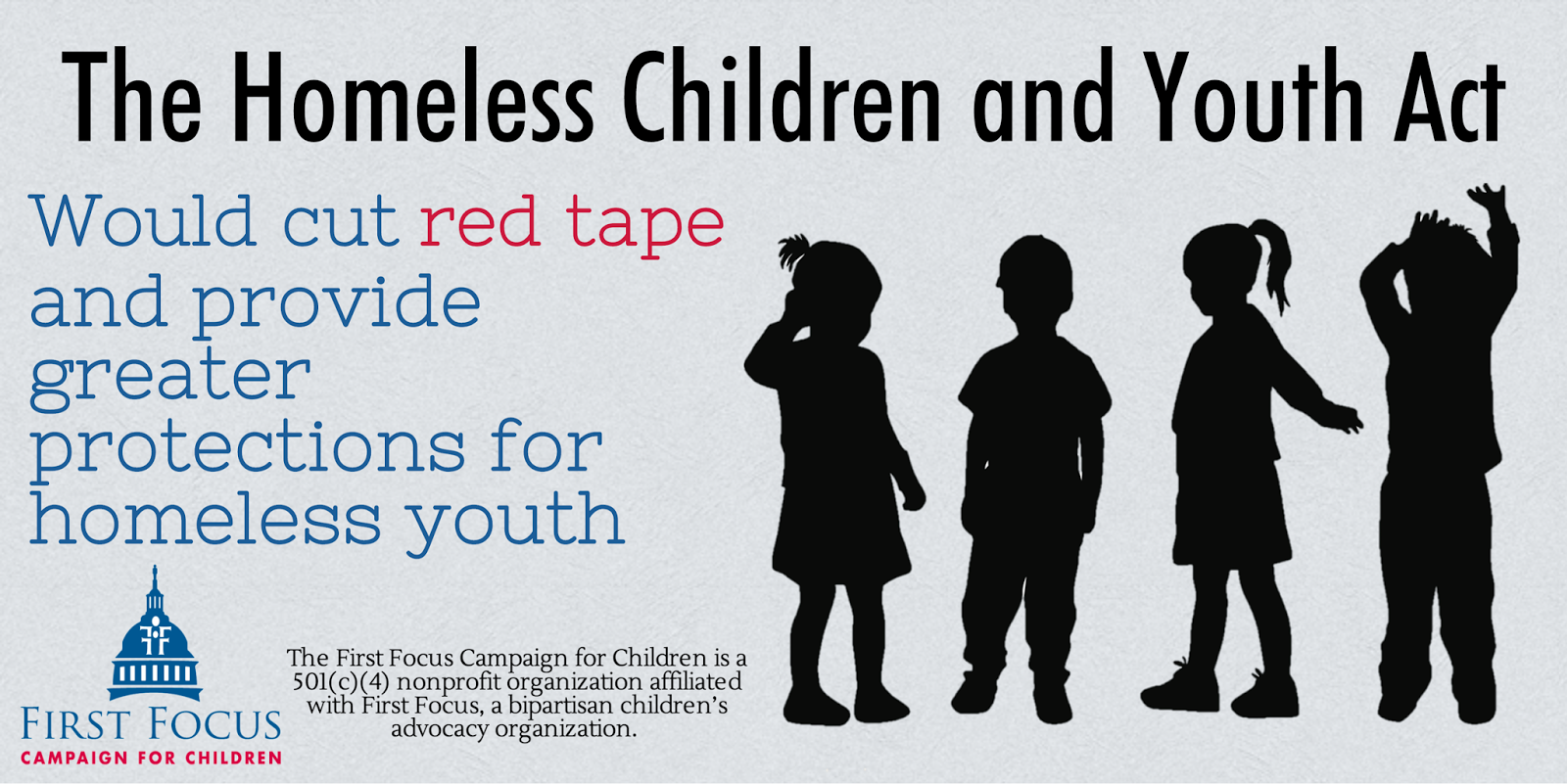
Because emancipated foster care youth who couch surf are homeless.
Find out more at: http://helphomelesskidsnow.org/
Friday, June 13, 2014

Wednesday, May 21, 2014
Becoming Legal Orphans of the System
Results from the CFSR regarding: "Of all children in foster care for at least two years, what percent achieve permanency within the following year?"
 |
| Click image to view in higher resolution |
Sunday, April 20, 2014




Thursday, December 19, 2013

Wednesday, December 18, 2013


All I Want for Christmas is a Better System of Support for Emancipated Foster Youth

When former foster youth return for help to the agencies that formerly served "in loco parentis," they aren't treated like college students coming home for the holidays, or the way we might treat our young adult children coming home for help. The only door for them to access services is the same door that their biological parents might have chosen - the same door that any adult "in need of services" might choose: To open a FINS case.
FINS is agency-speak; the initials stand for "Family In Need of Services." Being a former foster child doesn't make a positive difference. It doesn't mean that the agency feels any extra responsibility for them. If anything, it can work against them, because their past mistakes during their teenage years are still on their file.
There doesn't tend to be a lot of "hand-holding" or support during the process, despite the fact that mentorship, guidance and someone sitting by their side is exactly what these young people need the most.
For a recently emancipated foster youth, having someone who cares about you sit beside you while you wait in a dehumanizing waiting room would contribute greatly towards:
- feeling reassured that you are doing the right thing and waiting in the right place
- having their maturity to balance out your anxiety and lack of adult experience
- feeling less ALONE
- Foster youth go from the restrictive experience of foster care to the total freedom of adulthood, and experience magnified consequences whenever they make a misstep.
- During their time in care, they don't get to experience normal teen experiences like spending the night at a friend's house.
- They often don't have their own bank account, and don't get opportunities to handle money.
- But after that magical day when they "age out," they are expected to know how to navigate complex systems, emotional relationships, financial challenges, etc.
Community volunteers could help by:
- Serving as a mentor to one or two emancipated foster youth
- Being willing to accompany young people to appointments and/or assist with transportation
- Phone calls and meetings with a young person to talk through next steps in their lives
- Celebrating their accomplishments and encouraging them during moments of discouragement
- Believing in them and their ability to succeed
Tuesday, December 17, 2013

Wednesday, September 25, 2013
One of My Favorite Classic Novels
You might have heard of the movie "Daddy Long Legs" based on the book by Jean Webster. An orphan is supported through college by a wealthy benefactor.... played by Leslie Caron and Fred Astaire.

But what many people don't know is that there was a sequel, called Dear Enemy --- in which the former orphan, now rich and married, enlists her best friend from college to go back to the orphanage and reform it.

The protagonist of "Dear Enemy" does just that - despite obstacles and discouragements -- including a curmudgeonly doctor who is the "Enemy" referenced in the title.
What's amazing about the book is that, despite the fact that it was published in 1915, the reforms that the protagonist makes within the orphanage are surprisingly modern -- and very well thought out. Sallie McBride is an incredibly likable character -- and you get the sense that the author is someone that, if you and I were living in 1915, we would want to have a cup of coffee with and chat about adoption and foster care reform.
The book is available for free on Project Gutenberg, and you can likely find a republished copy on Amazon.com.

But what many people don't know is that there was a sequel, called Dear Enemy --- in which the former orphan, now rich and married, enlists her best friend from college to go back to the orphanage and reform it.
The protagonist of "Dear Enemy" does just that - despite obstacles and discouragements -- including a curmudgeonly doctor who is the "Enemy" referenced in the title.
What's amazing about the book is that, despite the fact that it was published in 1915, the reforms that the protagonist makes within the orphanage are surprisingly modern -- and very well thought out. Sallie McBride is an incredibly likable character -- and you get the sense that the author is someone that, if you and I were living in 1915, we would want to have a cup of coffee with and chat about adoption and foster care reform.
The book is available for free on Project Gutenberg, and you can likely find a republished copy on Amazon.com.
Subscribe to:
Posts (Atom)