Monday, January 22, 2018

Mackintosh on the cover of the Dispatch


Mackintosh Williams shows some of his favorite books in the room he shares with his mother at the YMCA's Van Buren Shelter on the West Side. The homeless 11-year-old science-fiction fan writes book reviews and recommendations, the latest of which sit on a shelf in the Columbus Metropolitan Library's Main Children's Area


Book Ambassador
Homeless boy immerses self in reading to focus on the positive
Price, Rita. The Columbus Dispatch, Jan. 13, 2018

No book stays at the top of his list for long. Mackintosh Williams, also known as “Sci Fi Guy,” reads at a pace too furious for him to maintain anything more than a fleeting ranking of best-loved stories.

“I don’t really have favorites, because there’s always something new,” he said.

Instead, the 11-year-old writes reviews and recommendations, the latest of which sit on a shelf in the children’s area of the Columbus Metropolitan Library’s main site Downtown. Library employees made several copies of the “Official Sci Fi Guy Suggestions by Mackintosh Williams” and happily gave him the green light to arrange a display of books from his beloved science-fiction genre.

“A lot of kids will talk about books, but he’s like an ambassador of books,” said children’s librarian Lisa Dickson. “When he came in here, he just knocked my socks off. He’s incredibly intelligent.”

Mackintosh moves about the big library with purpose and ease, like a kid who really, really wants to be there. He loves the space and the light and the computers. But he can’t stand the pain that crosses his mother’s face whenever they talk about the other reason for coming so often.

When people are homeless,” Mackintosh said, “they feel over-pressured.”

 In his mom, he sees a daily battle to keep faith and determination from being swamped by frustration and sadness. In some of the other kids at the homeless shelter, he sees misdirected anger and outbursts, like the other day when a handful of boys pelted him with wads of wet paper.

“I try to avoid problems, but it’s like problems are running after me,” Mackintosh said.

They have a harder time catching him when he reads. Mackintosh immerses himself in tales of robot armies and alien hordes, golden capes and galactic hot dogs. He checks out stacks of books at a time and stows them carefully in the spare, windowless room he and his mom share at the YMCA Van Buren Center, a large shelter on the West Side with separate areas for men, women and families with children.

Sixty-eight families, including 130 children, were living in the shelter — one of two family shelters in the city — as of Wednesday.

“This is one moment in time,” Shameikia Smith, a senior director at Van Buren, said she wants the kids to believe. “This is not your whole life. This is a chapter.”

Mackintosh does his best to keep up hope. In the meantime, he turns to other narratives.

“When you’re reading a book, no one knows where you live,” Dickson said. “You live in that story.”

Mackintosh Williams, 11, carries an armful of books to fill out the display featuring his top science-fiction picks in the Columbus Metropolitan Library's Main Children's Area.

Seeking a new star
Ester Campbell, Mackintosh’s mom, has known hardship much of her life. “My dad was addicted to drugs, and my mom passed away,” she said. “I grew up in the system. But I still wanted to instill the proper values in Mackintosh. I knew he wasn’t your average child.”

Mackintosh walked early, talked early and barely had to be taught to read. He seemed to quickly grasp the difference between right and wrong, and relished taking a stand. “He has a moral compass,” said Campbell, 32. “The fact that he wants for others what he wants for himself makes him a beautiful person. Adults can learn from children.”

She and Mackintosh came to Columbus from New York City, where she had again fallen into homelessness, this time after losing a security job and failing in attempts to halt an eviction. Although she found more work in New York, the pay wasn’t great. Campbell felt exhausted by fruitless searches for an affordable place of their own. The chaos of temporary housing — first in a motel, then the shelter system — seemed never to give way.

“They put us someplace different every 10 days,” Campbell said.

She and Mackintosh packed up and boarded a bus to central Ohio last month in hopes of finding and reconnecting with an estranged sister who also had moved to the area. That hasn’t proved easy, and in any event, “our short-term goal has to be for us to get out of the shelter and for him to go to a great school,” Campbell said. “He’s so bright.”

Campbell enrolled Mackintosh in an elementary on the West Side, but she pulled him out and decided to look for a different school after he said he was severely bullied.

“It was just unbelievable, all the problems,” Mackintosh said. “Another child hit me in my mouth and pushed some of my teeth back. People like violence, I guess, but violence should never be the choice.”

Overwhelmed as they are, Campbell and Mackintosh say they draw strength from their faith. Campbell’s birth mother was Jewish. “And I always wanted to feel closer to her,” she said. “So I began to embrace the Torah.”

Surrendering to despair isn’t an option. “Sometimes I just want to go into a corner and ball up and cry and scream,” Campbell said. “But you can’t afford to be weak, because your child is looking at you.”

Finding ways to laugh
As Laurie MacGillivray conducted research at family homeless shelters in Los Angeles and Memphis, she marveled at families who, while seemingly everything around them had fallen apart, managed to maintain or develop good literacy habits.

They read religious texts, passed notes across the dinner table, studied flashcards, discussed good books.

“When mothers and children were looking for ways to normalize their lives, reading was a good way to do it,” said MacGillivray, a literacy expert and professor at the University of Memphis. “Reading lends stability. It also can be a way to create privacy, because often, if you’re living in a shelter, you don’t have much.”

And reading can help homeless children — for whom so many typical activities and possessions are beyond reach — level a field. “There’s no one saying, ‘Oh, you can’t read this book because you’re homeless,’” MacGillivray said.

A kid such as Mackintosh might be exceptional, but he’s not unique in his desire to hone an interest that is his no matter what. “Every time a homeless child goes into a new school or a new environment — and I know kids who change schools more than four times a year — they have to redefine themselves,” MacGillivray said. “If he already has his area of expertise, he’s ahead of the game.”

Over a year, more than 250,000 children in the United States will have stayed at a homeless shelter, according to the National Alliance to End Homelessness. Nearly 2,500 children were served in Columbus homeless shelters during the most-recent fiscal year.

Even those who fare well wind up with scars.

“The fact is, by the time a family has experienced homelessness, they have faced some devastating consequences,” said Michelle Heritage, executive director of the Community Shelter Board. “We should say, as a country and a community, that no child should be homeless. Period.”

Resilient as they are, kids often succeed in finding ways to laugh and play and learn outside their worst experiences. Mackintosh isn’t terribly daunted. He doesn’t complain about having to watch shows on his mom’s phone instead of a television, or pine for a real piano, or pout when Campbell has to say that, yes, $12 is too much for them to spend on a notebook.

He knows she doesn’t like to deny him things. “I want you to be on the news,” Mackintosh said suddenly, “as the most-beautiful woman in the world!”

Campbell playfully shoos him along. Mackintosh zooms toward the middle of the children’s area, where he scopes a few books before sitting at a computer station. In addition to writing his book reviews, he’s been working on creating a game.

“The angels come at the end,” he said. “They help you and heal you.”

Mackintosh Williams shows some of his top science-fiction picks, flanked by his mother, Ester Campbell, and Children's Librarian Lisa Dickson

Saturday, September 02, 2017

Lisa is an Erickson fan :)

I personally am a big fan of the usefulness of Erickson’s theory in relationship to foster care youth/alumni, particularly when it comes to the “Intimacy vs. Isolation” stage.
  • Erikson Stage 6: Intimacy vs. Isolation relates directly to the transitional stage of foster care.
  • The social task of the young adult (within this model) is to create strong, long-lasting bonds of friendship and love. Those that fail in this task risk remaining isolated for the rest of their lives.
  • The ability to relate to other people is affected by personal exposure to trauma. This impact is felt most deeply in an intimate relationship but also has a “ripple effect” that affects every other relationship in that person’s life.
  • Research demonstrates that adults with the highest rate of broken relationships are those who shy away from emotional investment, reject any neediness in their romantic partners and withdraw during times of emotional distress.
  • When young people age out of foster care, they are vulnerable. Emotionally abusive relationships might seem familiar. Predators might come to them, offering to help – and then wanting something in return. Or foster care alumni might try to isolate themselves and take on life as a “Lone Ranger.”
  • If the very first emotional / physical support systems of your life disappoint you, the logical response might very well be to depend upon yourself. This will often get you through the short-term, and ensure your physical survival.
  • But, if at some point, you want to commit to another person, to love and be loved by them, that might be hard. Because, in loving them, you are vulnerable to them... and that means that since they are human, there will be moments when they disappoint you. And at those times, having them fail you might bring to the surface the memories of every other time that someone from your past has failed you.
  • And what do we ultimately want for foster care youth and alumni?  We want them to establish interdependent lives. We want them to build and maintain healthy relationships. We want them to learn to trust, to develop autonomy, to be industrious (aka productive), to know their worth (vs. feeling inadequate) to figure out their own identity, and to create lives of connection, rather than isolation


Friday, July 28, 2017


And for supporting the Fostering Stable Housing Opportunities Act, proposed in direct response to YEARS of advocacy by current and former Ohio foster youth, I now like Senator Al Franken (formerly Stuart Smalley on Saturday Night Life) even more.

Senators introduce their version of the Fostering Stable Housing Opportunities Act


WASHINGTON (KCRG-TV9) -- Sen. Chuck Grassley and Sen. Debbie Stabenow, co-chairs of the Senate Caucus on Foster Youth, and Sen. Al Franken, Sen. Tim Kaine, Sen. Angus King and Sen. Tim Scott, have introduced bipartisan legislation to help youth aging out of foster care with housing needs.

“One of the biggest challenges facing older foster youth is aging out of care and being without a place to live,” Grassley said. “This bill would make it easier for such youth to get federal housing assistance so they can continue their education, get a job and have a good start into adulthood.”


“Homelessness and poverty are a real danger for teenagers when they age out of foster care,” Stabenow said. “We need to do everything we can to help them transition to stable and successful adult lives, and this bill helps with that process.”

“Every year, I am given the opportunity to welcome young leaders from the Foster Youth Internship Program into my office. It is amazing to see them push forward towards their goals, in spite of many challenges," Scott said. "That is why it is important for us to lift them up when necessary, and this bipartisan bill will help our foster youth who are aging out of care prosper and continue working to achieve the American Dream.”

The Fostering Stable Housing Opportunities Act would grant priority preference for federal housing assistance to foster youth who are aging out of care and allow youth in foster care to apply for housing assistance at the age of 16, prior to aging out, which in many states occurs the day foster youth turn 18. 

Foster youth face an especially difficult transition period from childhood to adulthood, and as many as 37 percent become homeless soon after aging out of care. Even more face housing instability such as frequent housing changes and “couch surfing.” They are particularly susceptible to human trafficking and other dangerous outcomes as a result.

Helping these young people access federal housing assistance will provide a safety net and allow them the opportunity to get on their feet and become self-sufficient adults. 

The bill is the Senate version of a measure in the House of Representatives by Rep. Mike Turner.

Grassley co-founded the Senate Caucus on Foster with the goal of hearing directly from foster youth about the challenges they face. A focus has been on helping youth transition from care to adulthood. The transition is difficult, with some youth facing lack of employment or educational opportunities, substance abuse and homelessness.

Tuesday, July 04, 2017

This Week News: Lights, Camera... ACTION!!

Day by Day: ‘Aging out’ of foster care can bring difficulty
By Liz Thompson, This Week News, July 3, 2017.

Her mother died of cancer when she was 10. Her father was physically abusive and she was removed from the home. In foster care, she lived in an emergency shelter, an all-girls group home and a co-ed group home.

Lisa Dickson was inspired by these experiences to become an advocate for change. At 16, she was accepted into college -- her lifeline into the future.

“I remain forever grateful to Randy Mills, former admissions counselor at the University of Kentucky, for literally walking me down the hall to financial aid and telling them, ‘This girl has no family to help her -- this girl needs grants,’ ” said Dickson, now a Westerville resident.

“It sounds great to say that I started college at age 16 -- but by age 17, I was homeless due to trying to rescue my former roommate from a group home. This urge to rescue others is so strong that we Ohio foster-care (alumni) currently lead a workshop called ‘When Helping You Is Hurting Me,’ ” Dickson said.

During her time in foster care, Dickson said she often had no voice. Today, she listens to the voices of current and former foster youth. They stand side by side to improve outcomes for people in and from foster care.

Dickson considers it an honor to volunteer as communications chairwoman of Alumni of Care Together Improving Outcomes Now Ohio, and as co-facilitator of the Overcoming Hurdles in Ohio Youth Advisory Board. She helped create both groups in 2006. Their initiatives include annual trips to Washington, D.C., to share their hard-won experiences and advocate for policy change, such as ending the “pipeline” from foster care to homelessness.

“What I don’t get is this: I aged out of foster care in 1989 and ended up homeless,” Dickson said. “Why are today’s youths still aging out into homelessness? We could and should and must do better.”

U.S. Rep. Michael Turner (R-Dayton) created the Fostering Stable Housing Opportunities Act as a direct result of one of those visits to Washington.

This act, with no additional spending required, allows foster-care youth who are close to “aging out” of foster care to jump to the front of the waitlist for housing assistance when they reach 16 years old.

ACTION Ohio’s Suits for Success program provides professional attire to current and former foster youths who are preparing to enter the workforce. Suits for Success needs a future storage location for donated suits. The organization welcomes suit donations on an ongoing basis. It often pairs distribution of the suits with job-interview simulations and resume practice.

“Time and time again, our young people tell us that it’s not enough to know what the resources are -- they need coaching and guidance regarding how to access them effectively.”

Two such places are Capital Law School’s free Family and Youth Advocacy Center for current or former foster youths and Columbus State Community College’s Scholar Network.

“Even after graduating college, as a foster-care survivor, it can feel lonely to be ‘one of the ones who made it,’ ” Dickson said. “Our young people today deserve to have campus liaisons like Randy to support them.”

Holidays and birthdays can be lonely for current and former foster youths, when many families gather to celebrate.

“I’ve been married for 17 years and have two beloved stepdaughters, but I don’t expect them to understand what the foster-care experience was like for me,” Dickson said.

On Thanksgiving 2007, Dickson and other former foster youths from across the nation traveled to Washington to encourage the federal government to extend foster-care support to age 21. They shared Thanksgiving dinner on the steps of the U.S. Capitol.

From 2008 onward, Ohio has held statewide and regional early Thanksgiving dinners for foster-care teens and alumni. Dickson serves as lead planner.

“When we come together as brothers and sisters of the foster-care system, we can encourage and support one another. We celebrate each other’s success and continue to improve outcomes for the next generation.”

Much needs to be done, as an average of 150 children in Franklin County alone age out of foster care every year.

For more information, email info@fosteractionohio.org

Saturday, June 10, 2017

Thoughts on Director Comey's Testimony


It might sound weird to say this - but when I hear Former FBI Director Comey giving his legislative testimony, all I can think is that I wish I had someone like him for a father.

He is a Boy Scout of a man. He makes unpopular decisions based on his own integrity.

I would have loved to have had a father like that.

PS: 


Thursday, June 08, 2017

Foster Care and Superpowers


Message to today's young people who are currently transitioning from foster care into young adulthood:
  • It's part of the healing process to remember and think through the memories of what we have each experienced before, during and after foster care
  • During that process, we ALSO have to move forward to survive
  • So, PART of our brain as a young adult who has experienced foster care is focused on immediate existence and future practicalities
  • While the OTHER part is sorting through the past, and finding ways to heal 

I'm not saying that this is easy - because it really isn't. But it is necessary to survive. And the aftereffect for those of us who make it is often super-resiliency.

By super-resiliency, I mean that: "I am like a weed. You can put me down anywhere, and I will likely find a way to survive -  and more than that - I will find some element of joy there. I will find a way to be happy and move forward."

 #AfterEffectOfHealingAfterFosterCare

Sunday, May 07, 2017

Definition of Stewardship

It is a great big beautiful thing to create something new, but the next step is to maintain it, year after year - because the need doesn't change based on current popularity.

Sometimes, the maintaining part bumps up against behind-the-scenes complications and all kinds of crazy politics. But we can, and will, and MUST overcome them.

And that's the definition of a weird word called "stewardship."  To be a "steward" means: the careful and responsible management of what has been entrusted to you.

We need a better word for this. Steward sounds sort of like sewage. It's not a sexy word at all.

Let's talk about other words that might better express the heart behind this effort:

- commitment
- consistency
- conscientiousness
- vision
- purpose
- responsibility

We need to talk about what it means to be in this for the long-haul.

Saturday, May 06, 2017

Underpromise and Overdeliver

My husband has a saying: "Underpromise and overdeliver" -- and I can't tell you how valuable that principle is when it comes to foster care advocacy.

Our young people have experienced enough broken promises in their lives

We need to be the kind of people who KEEP our promises, and who are very careful to gauge our commitments before saying yes, so that we can truly live up to what we commit to do ❤️❤️❤️

And, if a challenge comes up that might limit our availability, our responsibility is to let others know as soon as possible.

#EndRant

Friday, March 17, 2017

Foster care is a bipartisan issue

I am heart-happy about Ohio's fifth annual Three Days on the Hill. ❤️❤️❤️

One thing really amazed and encouraged me during this year's trip to DC:

I had been anticipating and worrying that the growing political divide in our country might negatively impact our legislative visits

But there was NO difference at all between our visits with Republican vs. Democratic offices:

- They both saw foster care as a bipartisan issue.
- They both understood that our young peope who "age out" of foster care just want to build positive and productive futures
- They both totally *got* that helping a young person succeed in college/workforce meant a future taxpayer later on

When we talked about youth aging out of foster care without a savings account to afford housing... former foster youth needing to pay rent a year in advance due to having no co-signer... former foster youth being asked to pay hundreds of dollars to stay in a dorm (their only home!!) during campus breaks...

This was eye-opening to ALL offices. And they cared and were receptive to our proactive suggestions of solutions.

Wednesday, November 23, 2016


I agree with these recent quotes from Dan Rather:
"Now is a time when none of us can afford to remain seated or silent. We must all stand up to be counted. History will demand to know which side were you on."
He references the Declaration of Independence: 

"We hold these truths to be self-evident, that all men are created equal, that they are endowed by their Creator with certain unalienable Rights, that among these are Life, Liberty and the pursuit of Happiness."
And then he adds:

"These truths may be self-evident but they are not self-replicating. Each generation has to renew these vows... the direction of our ship of state has not always been one of progress. We interned Japanese Americans, Red Baited during the McCarthy era, and more. I feel the rip tide of regression once again swelling under my feet. But I intend to remain standing."

Wednesday, November 16, 2016

Top Priority for 2017

Improving long-term outcomes for young people in and from foster care <3 span="">
Let's start from there - settle for nothing less - and then move backwards.

Wednesday, October 12, 2016

Creating learning experiences for foster youth

Do you remember being a teen, and those specific experiences that, at the time, seemed like the most important moment in the world?

This very interesting research study demonstrates that: 


1.) Teens are better at learning from "reinforcement learning" than adults are

2.) Teens engage both the hippocampus (memory) and striatum (decision-making) regions of their brains at the same time, while adults tend to alternate between using one or the other


3.) Therefore, the experiences that teens have are rich with opportunities to create memories and educate them on making future decisions

The researchers’ conclusion was that the adolescent period of risk-taking and impulsive decision-making may be especially beneficial because it improves our reinforcement learning.  In simplest terms, reinforcement learning is making a guess, being told whether you’re right or wrong, and using that information to make a better guess next time.

http://www.refinery29.com/2016/10/125309/teen-memory-impulsive-brain-effect

As we work to ‘make memories’ for foster youth, this is a great reminder that teens are particularly sensitive to and responsive to the experience of the moment. 

In our interactions with teens, we have the opportunity to provide learning opportunities that can shape their understanding of the world. 

Thursday, August 04, 2016

Supporting our brothers and sisters of the foster care system

Sometimes our siblings of the foster care system try to put on a brave face and not show the world that they are struggling - right up until the moment that all the dominos fall down. (this is something that I did after aging out)

When that happens, we need to figure out the best way to help them. Not just for the moment, but building a way to succeed in the future:

1.) Are they connected with statewide and local resources that could help them in this situation?

2.) Have they reached out to local and statewide resources and asked for help?

3.) Do they have a local support network - and if so, are there ways that we could advise that support network to do specific things to help them?

Sunday, July 17, 2016

Quick Tips for Youth Aging Out of Foster Care

Thinking about some of the top things I wish someone had told me when I first aged out of foster care:

1.) Give your best to each day, every opportunity,  and the moment at hand and focus on building your future
#‎yourfuturematters‬ ‪
#‎withoutafuturehowcanyouhelpothers‬

2.) There are and will always be some people in your life that will try to bring you down. Do your best to safeguard yourself against the haters and surround yourself with those who truly care and want you to succeed.

‪#‎whenhelpingyouishurtingme‬
‪#‎youcanforgiveothersandstillstaysafefromfutureharm‬

3.) It's okay to struggle while navigating through the unknown.  Common sense doesn't really exist - it's just something that somebody's parents took the time to tell them. It's okay to *not know* the things that nobody ever took the time to tell you.

Don't blame yourself for not knowing -- just seek to learn from it, and strive to pave a pathway for others to succeed when someone finally cares enough to take the time to give you a roadmap

4.) Please remember to thank those who help you along the way. Saying thank you is an essential part of advocacy.

Thanking those who help us when we need the most can re-energize them to help others in the future.

Wednesday, July 13, 2016

Need to find a way to celebrate and support former foster youth who graduate college and grad school

It can be incredibly disheartening for former foster youth to work so hard to earn a degree, and then be immediately be reminded of their lack of family privilege immediately upon college/grad school graduation.

Because they still aren't sure how to fund moving expenses and future housing and food costs after graduation -- even when they are offered amazing jobs.

This can feel terribly overwhelming without family support.

I still remember what it was like after I graduated with my Masters degree from the University of Kentucky. Thankfully, the Ohio workplace that hired me was willing to pay my moving expenses.

Even then, I couldn't afford an apartment right away, so I slept on the floor of a friend of a friend in Columbus for the first 2-3 months. She let me keep my stuff in her basement, until I had saved up enough for an apartment.

 I remain altogether grateful for both of these two privileges: moving expenses covered by future workplace, and having a floor to sleep on.

Not former foster youth gets those two things after college/grad school graduation.

Monday, July 11, 2016

Ohio needs a statewide hotline for foster youth and alumni

If California can do it, why can't we?


Still keep thinking about how great it would if there was one statewide number that youth could call...

Foster Care Youth and Alumni Hotline
#StaySafe
#GetConnected

The #StaySafe element would be to invite youth who are thinking about running away and/or experiencing abuse in their bio homes, foster placements or group homes/juvie/residential facilities.

The #GetConnected element would be to support youth who have "aged out" of foster care and are currently facing challenging circumstances.

Most county hotlines are not youth friendly, if you are a young person calling in to get help.

1.) There can be long wait times

2.) The current people taking youth calls tend to vary between:
- those who truly care
- those who are paid to care
- those who don’t care

3.) The staff member answering the call might be:
- a staff member on call who can’t be bothered
- a staff member who has a script and reads it with all the compassion of a telemarketer
- a staff person who does not work with youth and is not youth friendly

4.) The county/private agency often has a vested interest in covering themselves
We’ve had youth who run away from abusive foster placements – they call their local hotline for help – and are placed back in that same abusive home – then run away again

Wednesday, March 30, 2016

Learning more about Mobility Mapping, thanks to the Dave Thomas Foundation

The Dave Thomas Foundation's adoption model is based on making sure that youth come first when it comes to adoption decisions.

They firmly believe that it’s most important to listen to each youth’s experience, history and needs.

Their program focuses on finding permanency for youth who are most at risk of “aging out” of foster care (older youth, sibling groups, minority groups, children who have been in foster care for a long time, and/or have experienced a previous failed adoption).

Mobility mapping is a relaxed and informal method of exploring a young person’s history, in order to identify people and relationships that might provide permanency.

To avoid re-traumatizing young people, facilitators are encouraged to encourage often, and to redirect away from painful and negative memories.

 Sample questions might include:
  • Who in your family might know other relatives’ last names? 
  • Who in your family would be the person who would be most likely to coordinate family reunions? 
  • Creating maps of where the young person lived at certain times in their lives, and the person / people in their life at that time that they trusted. 
 Mobility mapping always includes safety conversations: 

  • Youth are invited to use marker to identify the people they feel safe with 
  • And to repeat this with a different color marker to mark the people they do NOT feel safe with 
  • At that point, young person (him or herself) is empowered to identify the people from the safe list that they would want to reconnect with
Mobility mapping also encourages youth to identify their own greatest needs:
  • "What five things are missing from your life right now?"
  • "What are the top five things you need - they can be people, things, or unanswered questions."
  • Youth can rank those top things in order based on most to least importance. 

Saturday, February 13, 2016

If you suspect child abuse or neglect, report it


Reasons why being a mandatory reporter of abuse matters:

1. Mandatory reporting matters for kids who are victims.
If no one cares enough to report it, the abuse will continue. They will be emotionally traumatized, and often physically scarred. They could even die.

2. Mandatory report is worth it for the cases in which the child is being abused, but it is deemed by those in power that there is "insubstantial" proof.

Certain types of neglect and abuse are difficult to "substantiate" Because there is no physical evidence. That doesn't mean that child or teen is not worth advocating for... And it's still worth taking the time to call.

If and when you do call to report suspected child abuse or neglect, be prepared for the following:
  • Some of the hotlines are not adequately staffed. You might be on hold for a very long time. 
  • Sometimes the staff member who answers might not seem very responsive or helpful.
  • Sometimes it takes three or more separate calls for anyone to do anything to protect that child.  
There are so many young people for whom I wish someone had cared enough to notice and report their abuse sooner.

Taking the time to report suspected neglect and/or abuse can help improve that child's current experience - and possibly save his or her life.

 ‪#‎IfYouSeeChildAbuseReportIt‬‬ ‪
#‎TheYoungPersonMatters‬‬

Friday, January 29, 2016

Tough Love, Gentle Love... and Speaking the Truth in Love


Some people are all about "tough love" - but I tend to lean towards gentle love.  I remember what it was like to experience abusive treatment before and during my time in the foster care system.

I have all too clear memories of the trauma I felt, and the goofy things I did during my teenage years and young adulthood. That, to me, means I should likely try to extend that young person some grace.

But I also know that the people who truly helped me GROW were those who were brave enough to tell me what I needed to work on. So that means that I also need to tell the truth, even when it feels awkward and uncomfortable - and even if the person lashes out at me - with the overall GOAL of supporting that young person both now and in the long run.

Wednesday, December 09, 2015

Saturday, June 27, 2015

Mapping out our mission and our boundaries

Whenever foster care youth, alumni and allies come together and make a difference -- that is altogether GREAT with me.

I truly believe that we are indeed Better Together.

The only time you will ever see my walls of protection rise is when I worry that foster care youth and alumni efforts might be at risk of being hijacked by outside interests.

Please expect Mama Bear to come out at that time.

Or, as Galdolf says it:


Wednesday, August 27, 2014

Needing something so badly you don't know how to get it


How do I make healthy connections? 
What does it look like when relationships slowly build over time? 

As foster care youth, we often lack that secure base of knowing that someone will always love us and be there for us.

Walking around without that comfort and reassurance is like walking around with a missing piece inside.

This is an unmet need that we live with every day, until we are able to establish safe, secure, and lasting relationships in our lives.

Because we grow up lacking the security of that connection, I've noticed that foster youth can sometimes go to extremes: trusting either too quickly or too slowly.

It's ironic - this sense of needing something so badly that you don't know how to get it.

Thursday, July 31, 2014

Monday, July 28, 2014

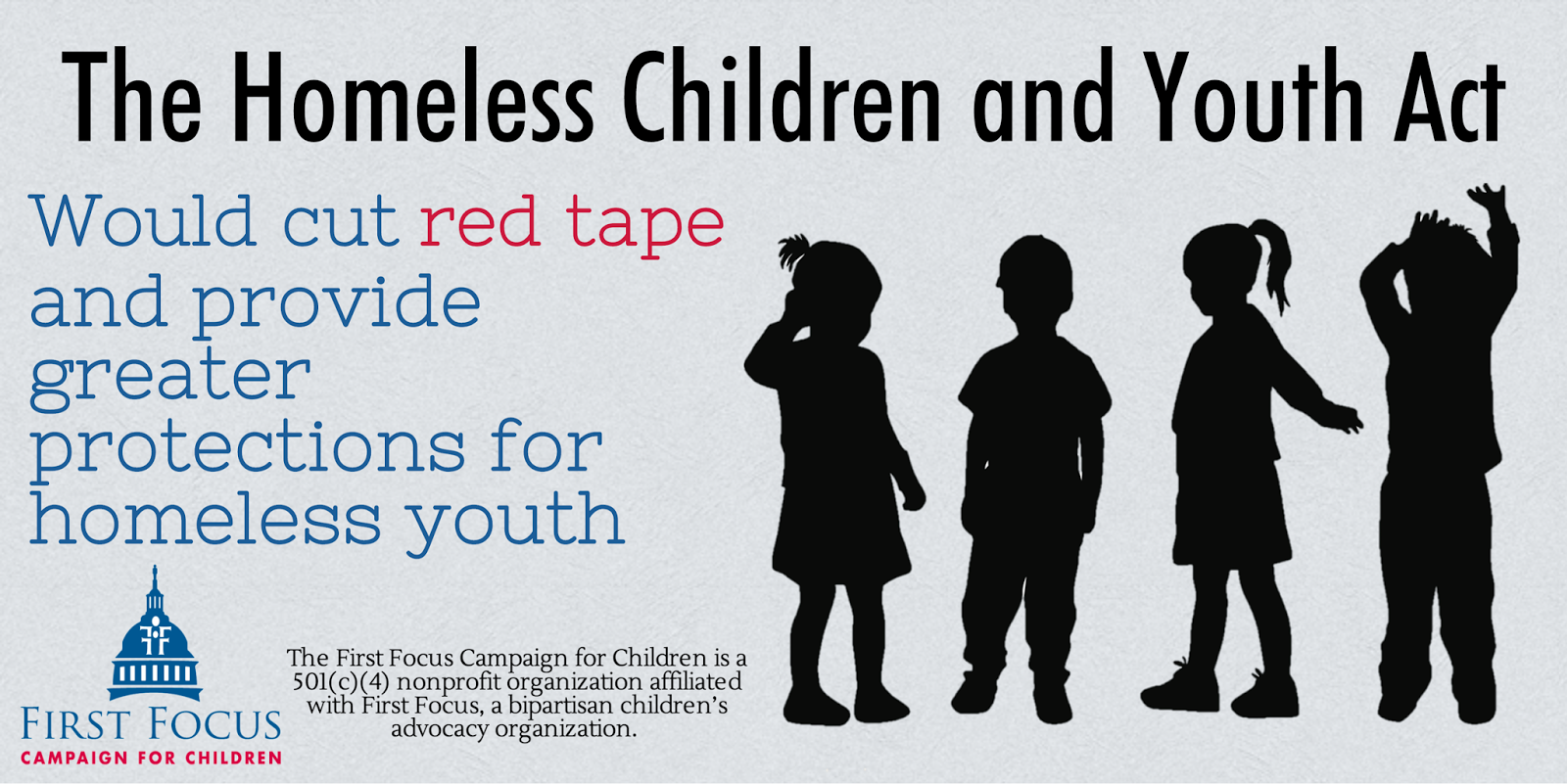
2014 Homeless Children and Youth Act


Because emancipated foster care youth who couch surf are homeless.

Find out more at: http://helphomelesskidsnow.org/ 

Wednesday, May 21, 2014

Becoming Legal Orphans of the System

Results from the CFSR regarding: "Of all children in foster care for at least two years, what percent achieve permanency within the following year?"

Click image to view in higher resolution

Wednesday, December 18, 2013

Transition from Foster Care to Adulthood


Transition to Adulthood for A Child With Loving, Supportive Parents


All I Want for Christmas is a Better System of Support for Emancipated Foster Youth


When former foster youth return for help to the agencies that formerly served "in loco parentis," they aren't treated like college students coming home for the holidays, or the way we might treat our young adult children coming home for help. The only door for them to access services is the same door that their biological parents might have chosen - the same door that any adult "in need of services" might choose: To open a FINS case. 

FINS is agency-speak; the initials stand for "Family In Need of Services." Being a former foster child doesn't make a positive difference. It doesn't mean that the agency feels any extra responsibility for them. If anything, it can work against them, because their past mistakes during their teenage years are still on their file.

There doesn't tend to be a lot of "hand-holding" or support during the process, despite the fact that mentorship, guidance and someone sitting by their side is exactly what these young people need the most.

For a recently emancipated foster youth, having someone who cares about you sit beside you while you wait in a dehumanizing waiting room would contribute greatly towards:

  • feeling reassured that you are doing the right thing and waiting in the right place
  • having their maturity to balance out your anxiety and lack of adult experience
  • feeling less ALONE
Throughout the nation, this is a problem:

  • Foster youth go from the restrictive experience of foster care to the total freedom of adulthood, and experience magnified consequences whenever they make a misstep. 
  • During their time in care, they don't get to experience normal teen experiences like spending the night at a friend's house. 
  • They often don't have their own bank account, and don't get opportunities to handle money. 
  • But after that magical day when they "age out," they are expected to know how to navigate complex systems, emotional relationships, financial challenges, etc. 
If and when they struggle, they can open a FINS case. But this doesn't mean extra parenting. Nope, it means having a case plan, being expected to make and keep appointments, and if they struggle with that, it is written in their file that they are "not complying with their case plan" -- which can be cause for termination of services.

Community volunteers could help by:

  • Serving as a mentor to one or two emancipated foster youth
  • Being willing to accompany young people to appointments and/or assist with transportation
  • Phone calls and meetings with a young person to talk through next steps in their lives
  • Celebrating their accomplishments and encouraging them during moments of discouragement
  • Believing in them and their ability to succeed


Wednesday, September 25, 2013

One of My Favorite Classic Novels

You might have heard of the movie "Daddy Long Legs" based on the book by Jean Webster. An orphan is supported through college by a wealthy benefactor.... played by Leslie Caron and Fred Astaire.

But what many people don't know is that there was a sequel, called Dear Enemy --- in which the former orphan, now rich and married, enlists her best friend from college to go back to the orphanage and reform it.


The protagonist of "Dear Enemy" does just that - despite obstacles and discouragements -- including a curmudgeonly doctor who is the "Enemy" referenced in the title.

What's amazing about the book is that, despite the fact that it was published in 1915, the reforms that the protagonist makes within the orphanage are surprisingly modern -- and very well thought out. Sallie McBride is an incredibly likable character -- and you get the sense that the author is someone that, if you and I were living in 1915, we would want to have a cup of coffee with and chat about adoption and foster care reform.

The book is available for free on Project Gutenberg, and you can likely find a republished copy on Amazon.com.

Tuesday, August 27, 2013

Developing Your Vision While Attending College


The American Indian College Fund and the National Endowment for Financial Education co-published a series of four handbooks on Developing Your Vision While Attending College.
Although not developed specifically for the foster care alumni population, a lot of this information might be helpful to foster care youth and alumni...

Book Four: "Choosing Your Path"

Table of Contents
1. Preparing for Transition
2. From Community College to Four-Year College
3. Making Sure Your Credits Transfer
4. Applying for Financial Aid And Considering Loans
5. Choosing Graduate School
6. Getting Ready for The Workplace
7. Job Hunting in Tough Times
8. Giving Back